Village character assessment of Stabroek: guiding spatial quality
Logo Antea Group - No text - Angled - Transparent

Village character assessment of Stabroek: guiding spatial quality

Questions? Let's get in touch.

Eline Mulkens
Send an email

A framework for future-oriented development permits

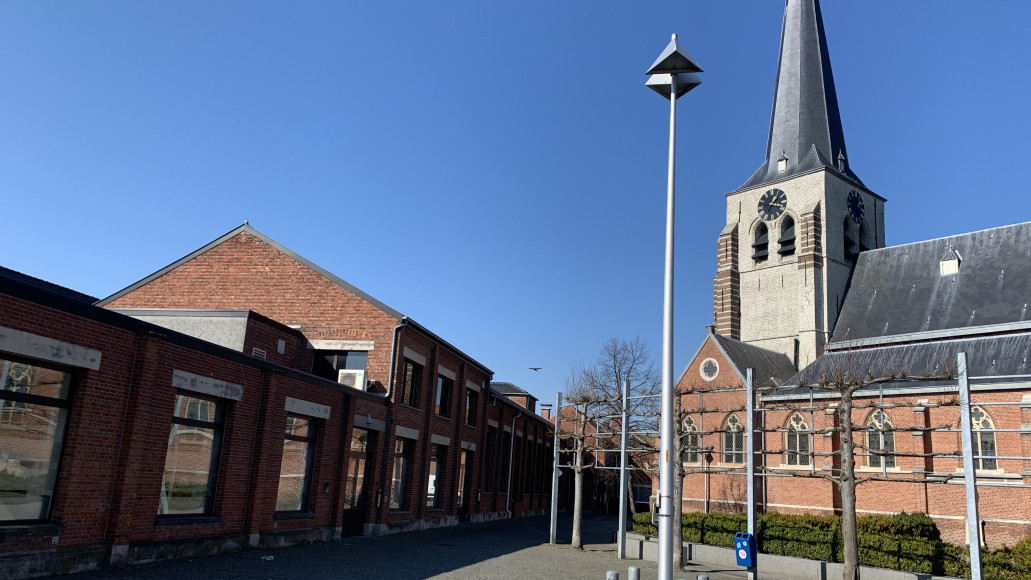
Stabroek is a municipality with three distinct village centers, namely Stabroek, Hoevenen, and Putte, each with its own identity, history, and spatial structure. Developers, designers, and permitting authorities needed a clear framework to evaluate the quality of new projects against the principles of good spatial planning. To address this need, the municipal government sought to develop a policy-based desired development framework: a guiding, non-statutory instrument that anticipates the future building code and outlines the municipality’s ambitions regarding development, integration into the existing environment, visual quality, and overall livability.
The assignment

Antea Group was commissioned to prepare a policy-based desired development framework that:

  • Translates the principles of good spatial planning into concrete assessment criteria.
  • Establishes both general and village-specific design principles for the built environment and open space.
  • Provides guidance for permitting authorities and designers when assessing development opportunities.

The goal was to strengthen the spatial and visual quality of Stabroek, including the villages of Hoevenen and Putte, while preserving the unique character of each village center.

A framework for future-oriented development permits

The solution

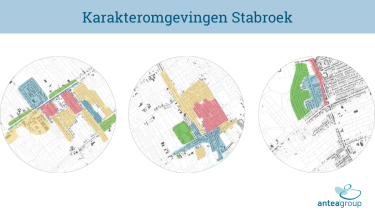
We began with a village character assessment, analyzing the three village centers in terms of historical development, spatial structure, and landscape context. This assessment identified both the key qualities that define each village and the challenges affecting their future development.

Based on these findings, we developed village-specific and overarching design principles that serve as a practical evaluation framework for future developments. The result is a non-statutory policy document that:

  • Safeguards the identity of Stabroek, Hoevenen, and Putte.
  • Provides guidance for permit applications and design proposals.
  • Establishes a robust foundation for the municipality’s future building code.

The process combined evidence-based analysis with design-led visual research, ensuring that the principles are not only policy-driven but also clearly illustrated and easy to interpret.

Partners and collaborations

For this assignment, we worked together with Import.Export Architecture. Their expertise in architecture and visual quality supported the design research process and strengthened the visual translation of the policy-based desired development framework.

SDG's

With this project, we contribute to the United Nations Sustainable Development Goals:
Want to know more about this project?

I am happy to help!

Eline Mulkens
Send an email